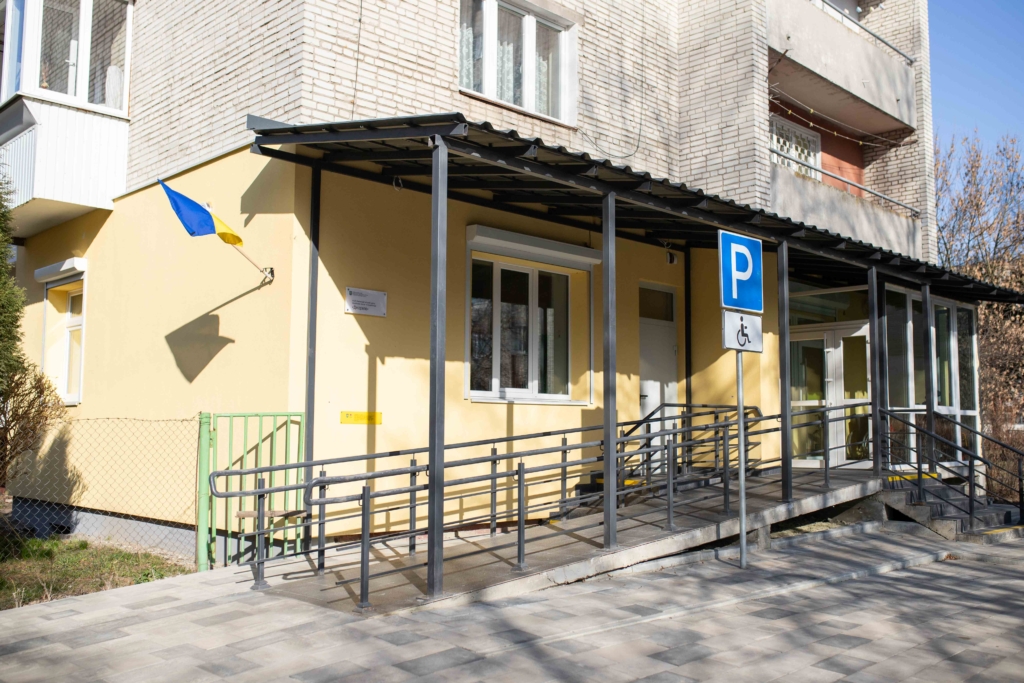
At the beginning of May, the Home of Supported Living on Pasichna Street marked its first month of operation. We spoke with its manager, Yulia Aronova, about what this first month has been like for both the team and the residents. We asked how daily life in the Home has unfolded, what positive changes have already become visible for people with disabilities and their families, and, most importantly, what challenges the team has encountered and what plans and aspirations they have for the future.
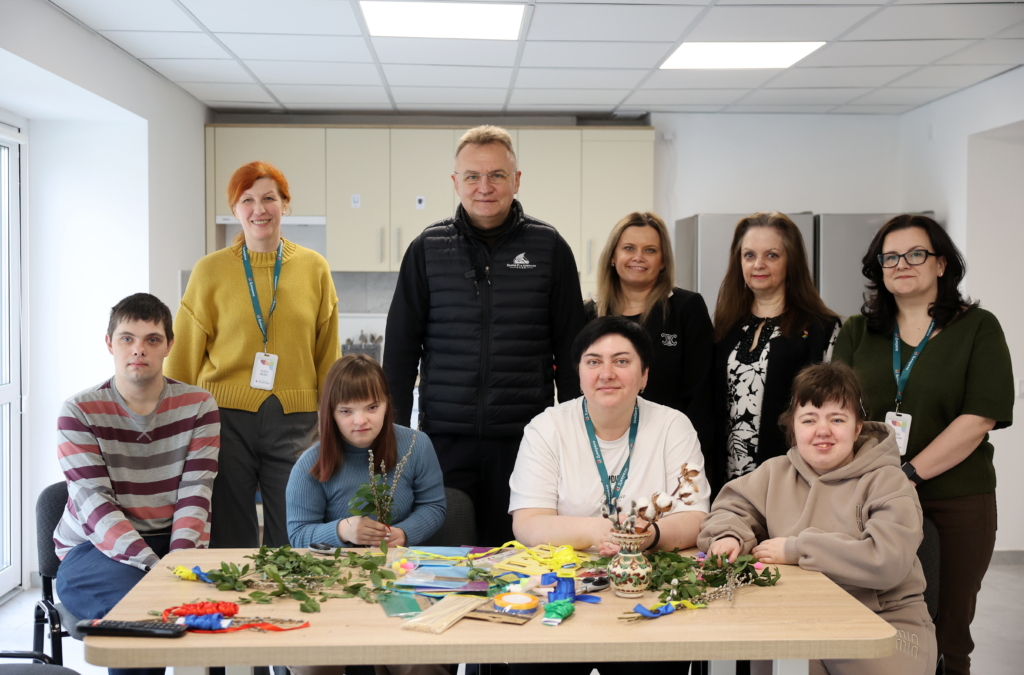
The first residents of the Home of Supported Living enjoyed an active month filled with visits to Dzherelo’s Resilience Centres, engaging activities, trips to the Emmaus Community at the Ukrainian Catholic University, as well as shared leisure time and meaningful social interactions.
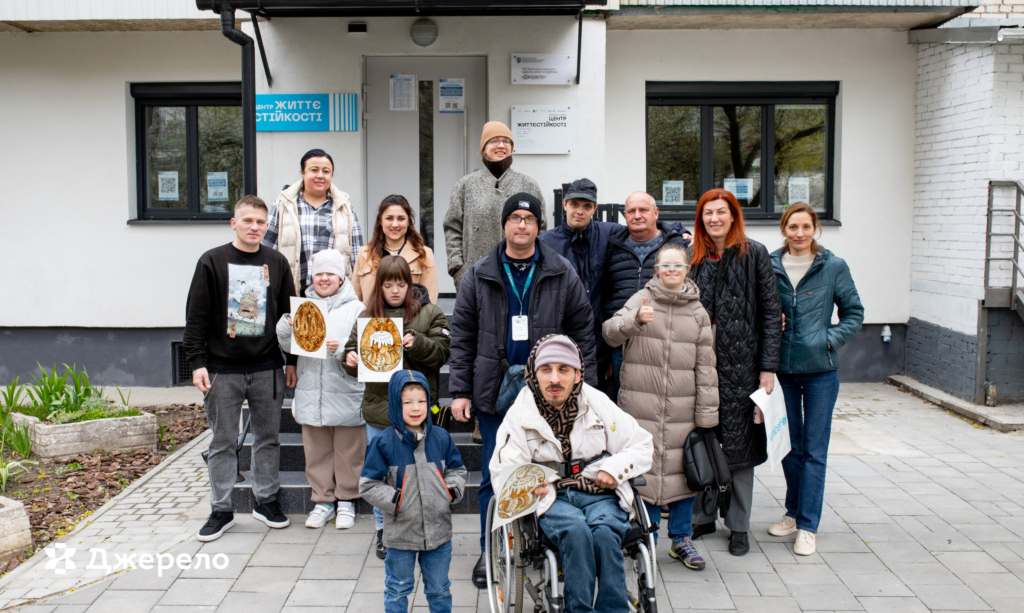
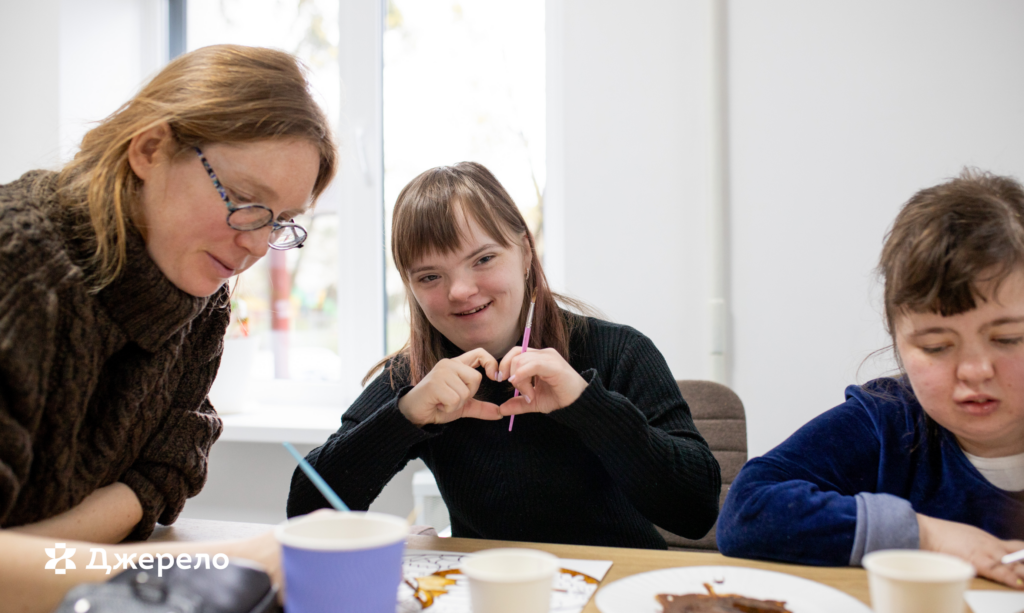
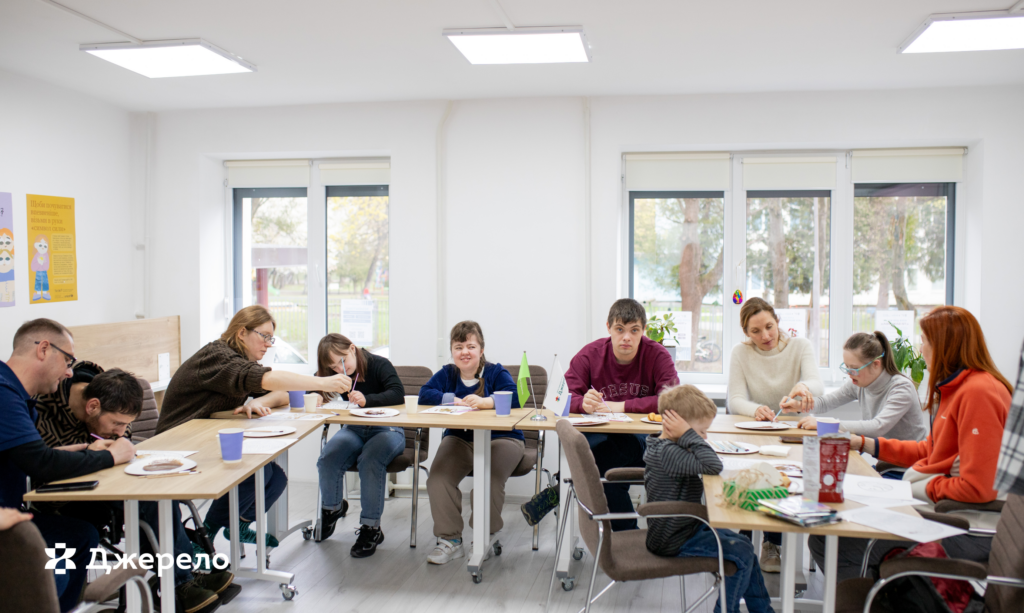
“It was a month of challenges balanced by an abundance of positive emotions. The most important indicator for us was that none of the residents wanted to leave the Home when their stay came to an end. That means they feel good here,” says Yulia Aronova.
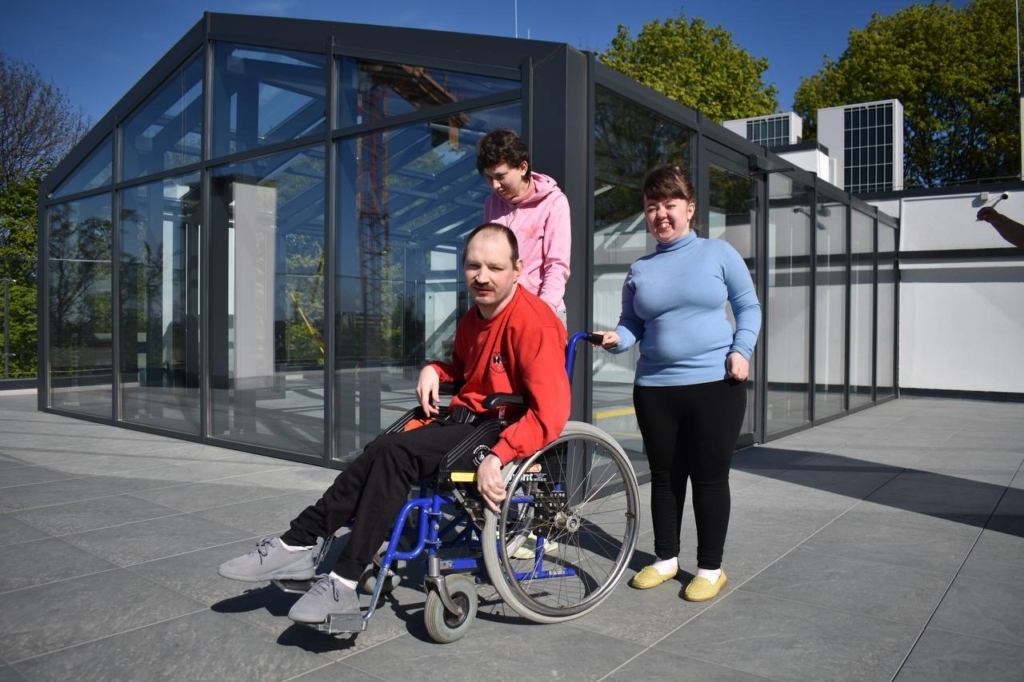
During the first month, eight people with disabilities stayed at the Home as part of the Respite Care Service for Families.
The Home also welcomed many visitors, including Lviv Mayor Andriy Sadovyi, Honorary Consul of Canada in Ukraine Oksana Vynnytska, and representatives of municipalities from Kharkiv, Mykolaiv, Odesa, and other cities.
An Environment Where People Learn to Live More Independently
The Home’s staff share that one of the key lessons from the first month has been the understanding that every person requires an individual approach that takes into account their abilities, limitations, interests, and aspirations. At the same time, special emphasis is placed on fostering residents’ independence, as this is one of the most important expectations expressed by families.
“The Home is not simply a place to stay. It is an environment where people gradually learn to live more independently,” says Yulia Aronova.
Visible Changes in a Short Time
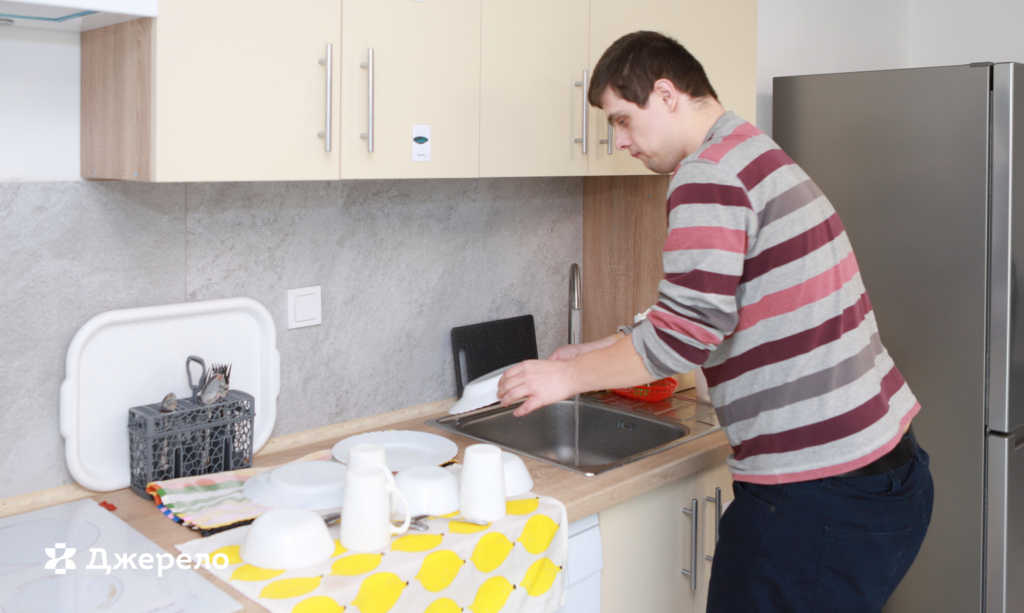
Even within a few weeks, the team noticed significant changes in the residents. Young adults are developing self-care and household-management skills, learning to interact within a group, consider the needs of others, negotiate, and compromise. Yulia Aronova notes that tasks often done for them at home are now being carried out independently. “We can literally see them becoming more independent before our eyes.”
The Home as a Space of Trust
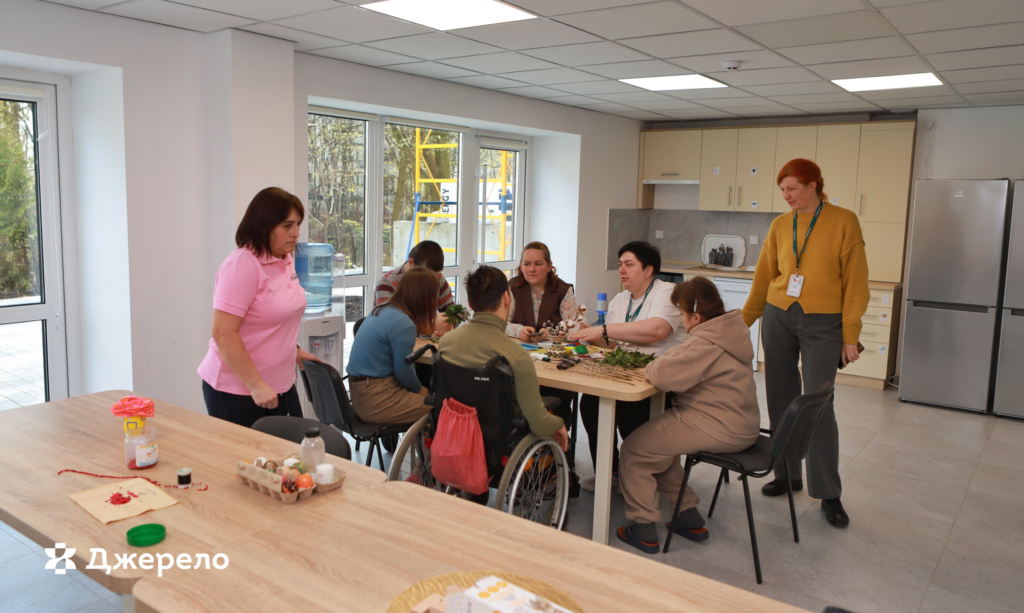
Residents live in the Home around the clock together with staff members. This shared daily life fosters trust and mutual understanding. The team strives to organize this time in the best possible way, taking into account the needs of every resident.
From the outset, the team adopted a flexible approach, planning in short intervals and remaining open to continuously adjusting processes, activities, and even the organization of the space itself.
“We agreed from the very beginning that we would adapt as we go,” says the Head of Dzherelo’s Supported Living Department.
Despite working rotating schedules and not always seeing one another in person, the staff have maintained strong communication, a shared understanding of values, and a common commitment to the philosophy of dignified living for people with disabilities. The team demonstrates responsibility, dedication, and unity in its approach.
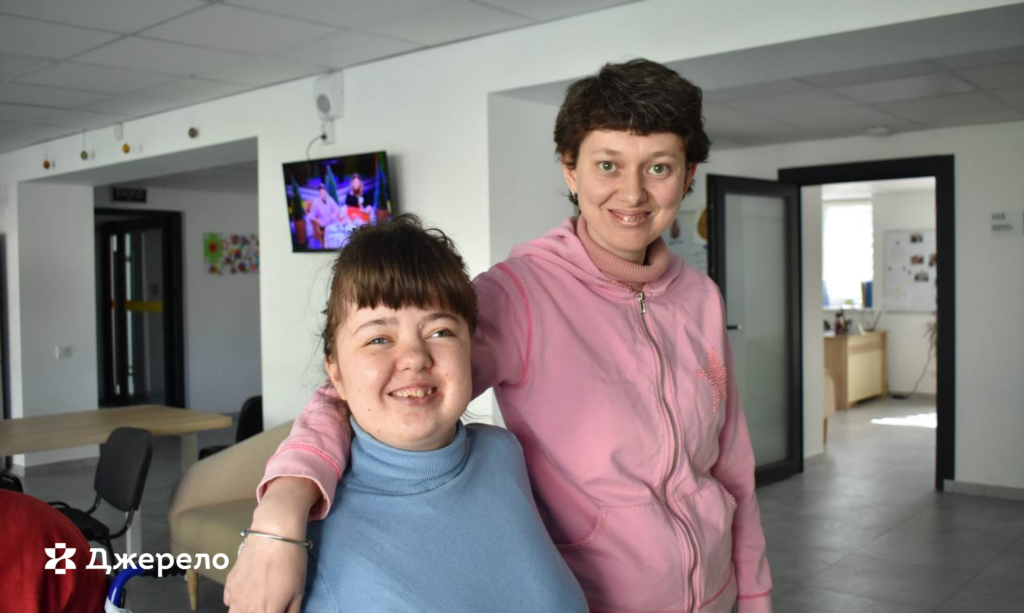
“There have been many moments this month that are difficult to measure but impossible to forget. When an anxious person gradually relaxes and begins to smile. When residents returning from activities ask, ‘You’re definitely not taking me home? We’re going back to the Home, right?’ Or when you are greeted in the morning with genuine joy. Seeing that they feel good here sets the tone for the entire day,” Yulia reflects.
Families Express Their Gratitude
The Home on Pasichna Street has become an important source of support for parents and caregivers, giving them an opportunity to rest or attend to personal matters. Families frequently mention this when speaking with staff members.
For many parents, it is invaluable to know that their adult son or daughter with a disability can stay in a safe and supportive environment, allowing them to ease some of the daily caregiving burden. Experiences vary from family to family. Some use this time to address health needs, while others simply take a break from daily routines or enjoy a rare moment for themselves. For many, however, respite is less about rest and more about finally having the opportunity to do things they previously lacked the time or energy to accomplish.
Despite the strong interest in the service, challenges remain. Parents often find it difficult to let their adult children go because of fear and strong emotional attachment. Likewise, young people themselves are not always immediately ready to live away from their families.
Contact Centre Requests: Who Can Access the Service?
Interest in the service continues to grow. During the first month alone, Dzherelo’s Contact Centre received 64 inquiries about the Home of Supported Living.
While some applications could be accepted, others had to be declined. Many inquiries came from outside the city, particularly from across Lviv Oblast.
According to the Contact Centre, the most common reasons for refusal are the absence of registration within the Lviv Municipal Territorial Community and applicants being over the age limit of 50. The service also received inquiries from individuals requiring more intensive support, including post-stroke care or palliative care. Such cases fall beyond the scope of the Home’s services.
The main eligibility criteria are:
A person with a disability aged under 50 years;
Registration within the Lviv Municipal Territorial Community;
A documented need for care and support.
Background Information
The Home of Supported Living is a place created for people with disabilities who wish to live independently, make their own decisions, and actively participate in community life, while receiving the support they need to do so.
The Home is designed as an alternative to institutional residential care facilities. Both structurally and functionally, it resembles a home rather than an institution. Residents have their own personal space, participate in everyday household life, and receive support only where it is genuinely needed.
The Home can accommodate up to 20 residents at one time.
This is the first facility of its kind in Ukraine that is owned by a local community and funded through the municipal budget of Lviv. It represents a new standard in the provision of social services.
The service is available to residents of the Lviv community with disabilities who are under the age of 50 at the time of application.
For detailed information, please contact the Dzherelo Contact Centre at +380 97 400 22 88.
The Home began providing services one month ago:
Photo: Ihor Mashtalir