For the past month, the Dzherelo Centre, in cooperation with the police and coordinated by the Department of Social Protection, has been implementing a new social initiative — an intervention program for individuals who have committed domestic violence. Here is how the first month has unfolded and how the program works.
The intervention program aims to change perpetrators’ behavior, prevent repeated incidents of violence, and foster responsibility for their actions. During the sessions, participants learn how to manage aggression, regulate their emotions, and communicate without violence within their families.
The program was introduced to help prevent domestic violence and enhance the safety of community members.
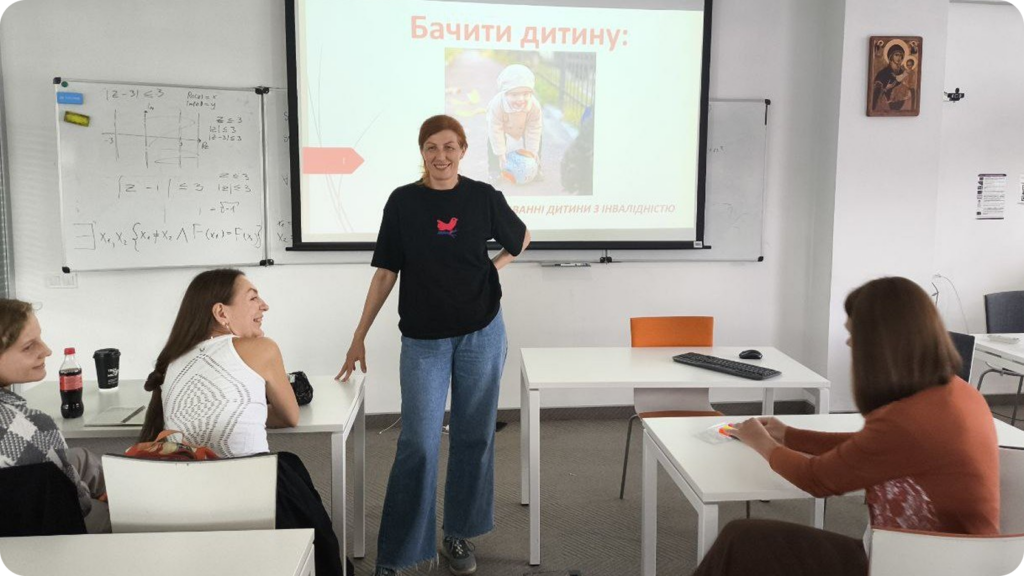
Two specialists from the Dzherelo Centre completed the required training and are now working with perpetrators alongside the police and in coordination with the Department of Social Protection. Following a state-approved methodology, they support participants in changing harmful behavioral patterns and preventing further violence.
The program officially started on March 30, 2026, and is being delivered in accordance with the national Model Program for Perpetrators.
“In my opinion, this program is, first and foremost, an opportunity for a person who has already committed domestic violence. It is a chance to rethink their behavior, change it, and learn how to become safe both for themselves and for others. It is an important opportunity for change, and one that should be taken,” says Viktoriia Hrodska, psychologist of the program and Head of the Psychological Support Department at the Dzherelo Centre.
How Does the Program Work?
Participants are referred to the program by court order, although some may also join voluntarily. They work with both a psychologist and a social work specialist.
“The first stage is a motivational interview. The primary goal is for the person to acknowledge that they are a perpetrator and to recognize the fact that they committed violence. Participants understand what happened, but initially they may explain it as something that ‘just happened.’ As they progress through the first topics, they begin reflecting on their personal responsibility for their actions,” explains Viktoriia, psychologist at the Dzherelo Centre.
What Topics Are Discussed?
The program addresses responsibility for one’s behavior, emotions and feelings, as well as self-regulation and calming techniques.
Key topics include:
- developing emotional balance;
- understanding the nature of anger;
- respecting other people’s personal boundaries;
- recognizing and establishing one’s own boundaries;
- addressing fears, including those rooted in childhood experiences;
- emotional self-control skills;
- constructive conflict resolution without physical or psychological violence;
- responsible parenting and preventing children from becoming involved in situations of violence.
Where Do the Sessions Take Place and How Is Safety Ensured?
Sessions are held at one of the police departments in Lviv. During the meetings, police officers help ensure the safety of the professionals conducting the program. Before each session, participants receive a briefing on the rules of conduct.
Initial Results
After only one month, it is too early to speak about systematic behavioral change. However, there are already individual cases in which participants have begun reflecting on their actions and engaging in the therapeutic process.
The program is viewed as an opportunity for individuals who have committed domestic violence to change their behavioral patterns and become safer both for themselves and for society.
Why Is This Program Important?
The main goal of the program is to reduce repeated incidents of violence, protect victims, and address the root cause of the problem — the perpetrator’s behavior.
Tetiana Kolesnyk, Head of the Department of Social Protection, notes:
“The introduction of this program is an important component of the domestic violence response system. It is aimed at changing perpetrators’ behavioral patterns and promoting non-violent strategies of interaction within families.”
Zoreslava Liulchak, Director of the Dzherelo Centre, adds:
“For the first time, we have developed and approved a Model Program for Perpetrators within the Lviv City Territorial Community. This is not only about managing aggression but about achieving a deeper transformation in a person’s behavior, their attitude toward loved ones, and their responsibility for their actions. Our primary objective is to make the family a safe environment where there is no place for violence, while also helping people learn how to build healthy relationships. We strive to prevent repeated incidents of violence and protect those who need support the most.”
If You Have Experienced or Witnessed Domestic Violence
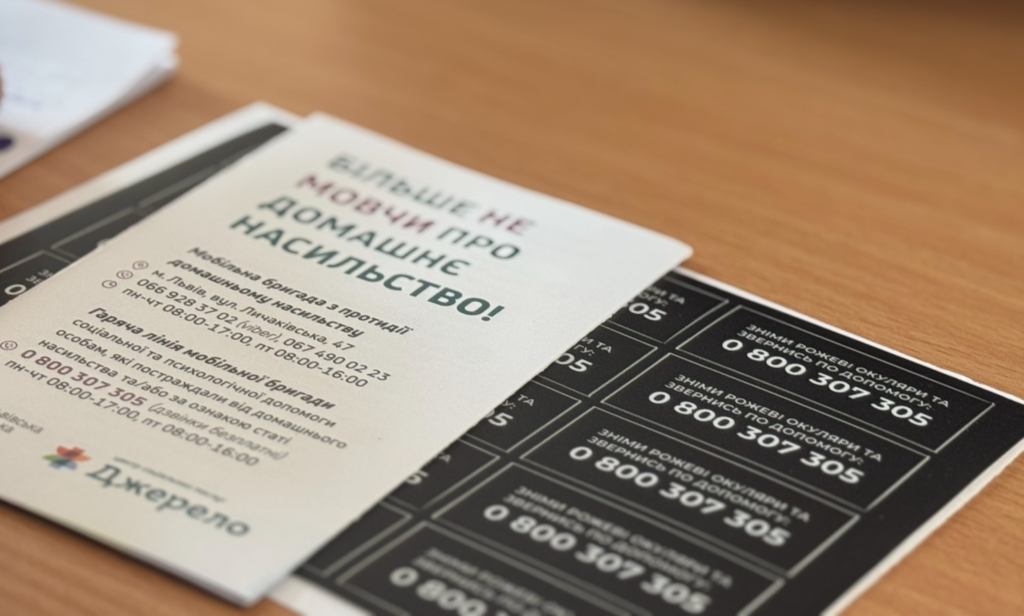
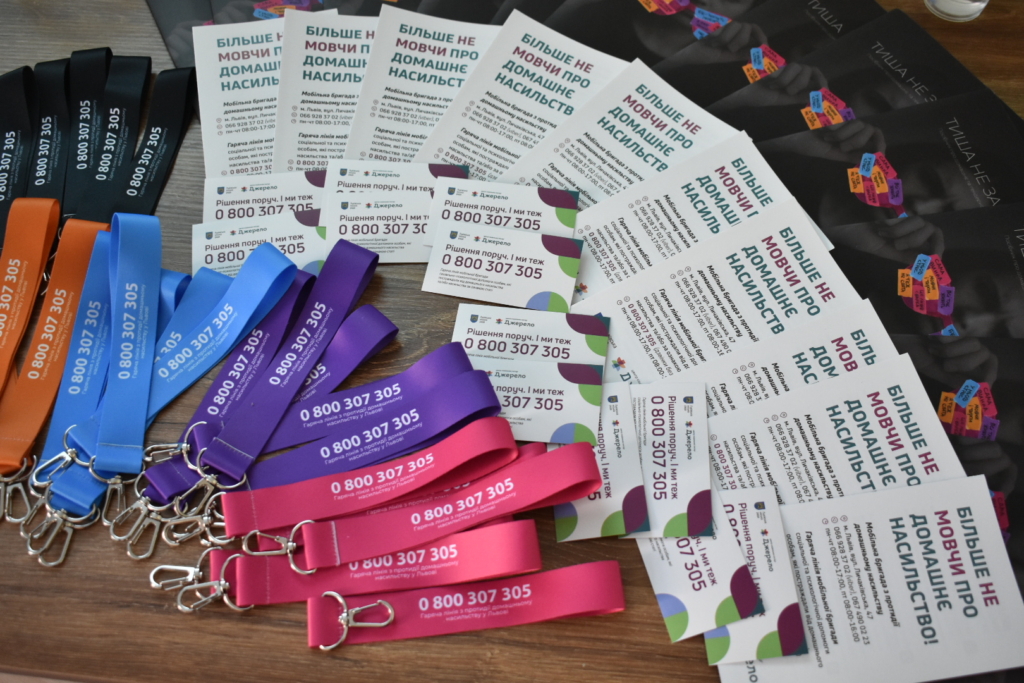
Call the police at 102, or contact the Domestic Violence Mobile Response Team hotline at 0 800 307 305.
Background Information
The Executive Committee of the Lviv City Council, acting in accordance with the Constitution of Ukraine and current legislation on local self-government and the prevention of domestic violence, adopted a decision to ensure the implementation of the Model Program for Perpetrators within the Lviv City Territorial Community.
The decision approved the procedure for implementing the program, a standard participation agreement, and unified documentation forms required for its operation. Oversight of the implementation has been assigned to the Deputy Mayor for Humanitarian Affairs.