“Being a mother means holding a lot. Sometimes, a great deal,” says Olena Vydiuk, a foster mother raising ten children, nine of whom are foster children. Ahead of Mother’s Day, celebrated on the second Sunday of May, we are sharing the story of a woman who, together with her husband Andrii, created a family-type children’s home. Their story is one of courage, choice, responsibility, fears, and a love that continues to grow every day despite exhaustion, war, and uncertainty.
“If Not Now, Then When?”
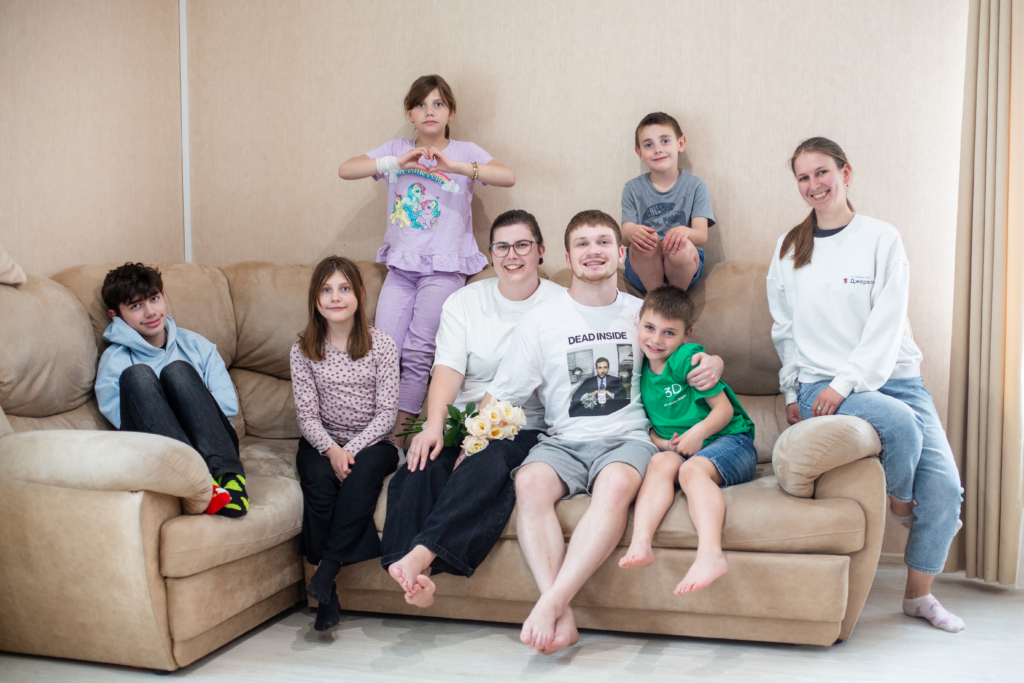
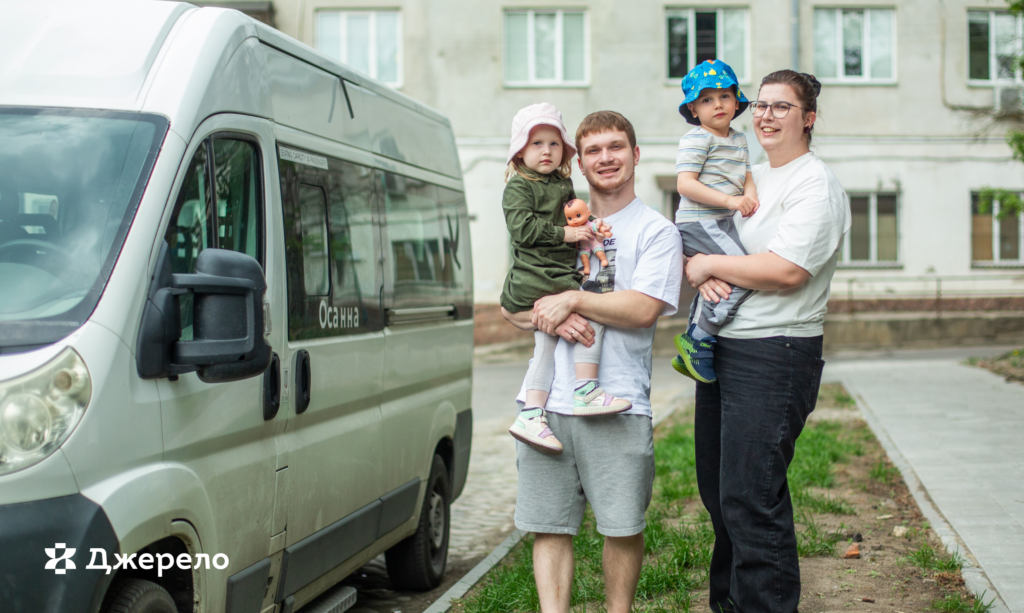
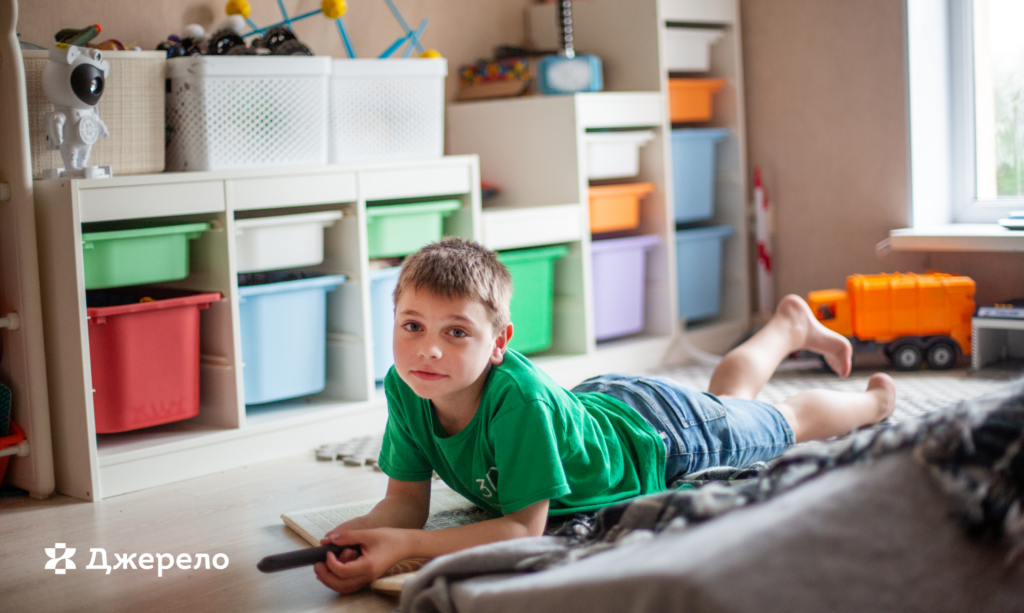
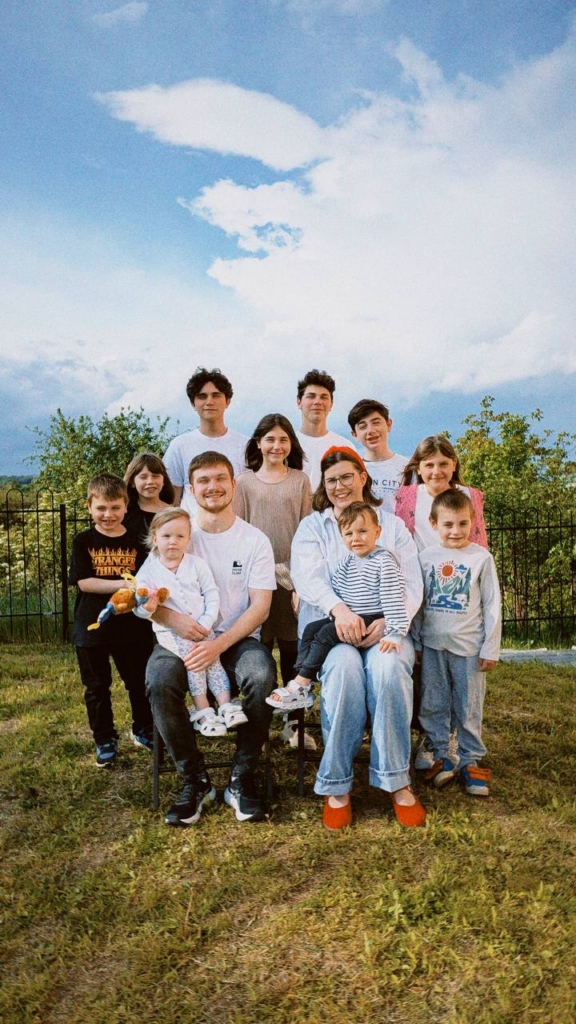
Olena’s family includes ten children: her biological daughter Yustynka, aged two and a half, and nine foster children – Myroslav, Rostyslav, Nazar, Solomiia, Yaryna, Polina, Matvii, Tykhomyr, and Lev. All nine foster children are biological siblings. The oldest is seventeen, while the youngest is four.
“My husband and I volunteered for many years, and we clearly understood that children need a family, a family environment, and caring, reliable adults. We wanted to become mentors and later a foster family, but we never imagined it would be so many children,” Olena recalls.
When children’s institutions from regions affected by active fighting were evacuated to Lviv, Olena and Andrii helped daily – providing food, clothing, support, and simply being present. Eventually, they realized that mentorship alone was not enough.
“If not now, then when?” Olena remembers thinking at the time.
Despite the shock and concern of their relatives, the couple received something invaluable: unconditional support. Today, they say that support remains one of the foundations of their large family.
The children joined the family almost immediately so they would not be separated. First came the six older siblings, followed by the three younger ones about a month to six weeks later.
“The Biggest Challenge Was the Scale of Our New Life”
Before becoming foster parents, Olena and Andrii prepared through prayer, conversations with other foster families, and stories they read late into the night. They sincerely believed that love would be enough to overcome any challenge.
Today, Olena admits that they viewed the future through “rose-colored glasses,” looking more for inspiration than for answers to difficult questions. The greatest challenge turned out to be the sheer scale of their new life. In a household where they had been raising a one-year-old daughter, children aged three to sixteen suddenly arrived – each with different personalities, needs, crises, and life experiences.
“The hardest thing was realizing the scale of everything – cooking, laundry, homework, treating runny noses. Once everyone moved in, a real rebellion of germs began, and literally everyone got sick,” she remembers.
Despite the exhaustion and unexpected difficulties, the couple says they have never regretted their decision.
“There are challenges. You can never be one hundred percent prepared for them, but it’s important to understand that they will come,” Olena explains.
“The Main Rule of Our Home Is Doing Everything Together”
There is almost never silence in this family’s home. Life moves to the rhythm of schools, extracurricular activities, online classes, and constant motion. The busiest days, Olena admits, are scheduled almost minute by minute.
Yet they still find time for one another. Sometimes it is a conversation in the car on the way home, a family dinner, or simply sitting together in the kitchen. These evenings are among Olena’s favorites – when the dining table hums like a beehive, everyone talking at once, laughing, sharing stories from school, and making jokes.
The family has already established its own traditions: celebrating birthdays loudly with cake, gathering together for Christmas and Easter, going to the cinema, and enjoying pizza or sushi evenings. Fridays are especially cherished because the children are allowed to stay up later, buy chips or crackers, or choose a small treat they enjoy within reasonable limits.
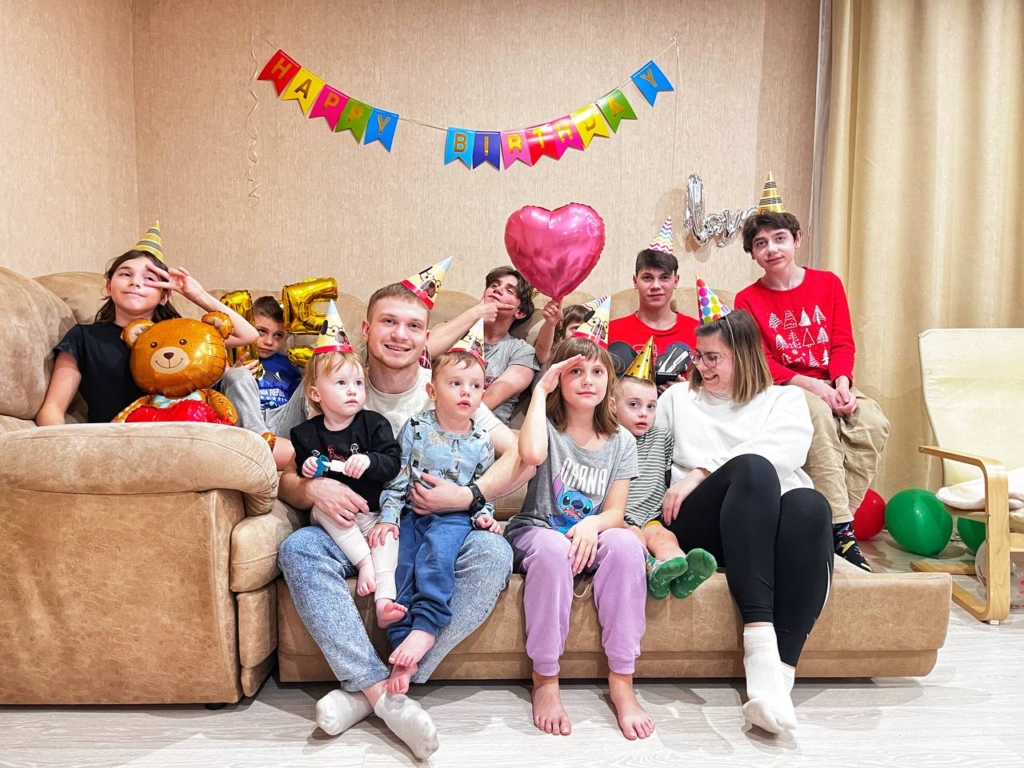
“We make the mess together, and we clean it up together,” Olena says with a laugh, describing the guiding rule of their home.
“Motherhood Is a Balance Between Unconditional Love and Discipline”
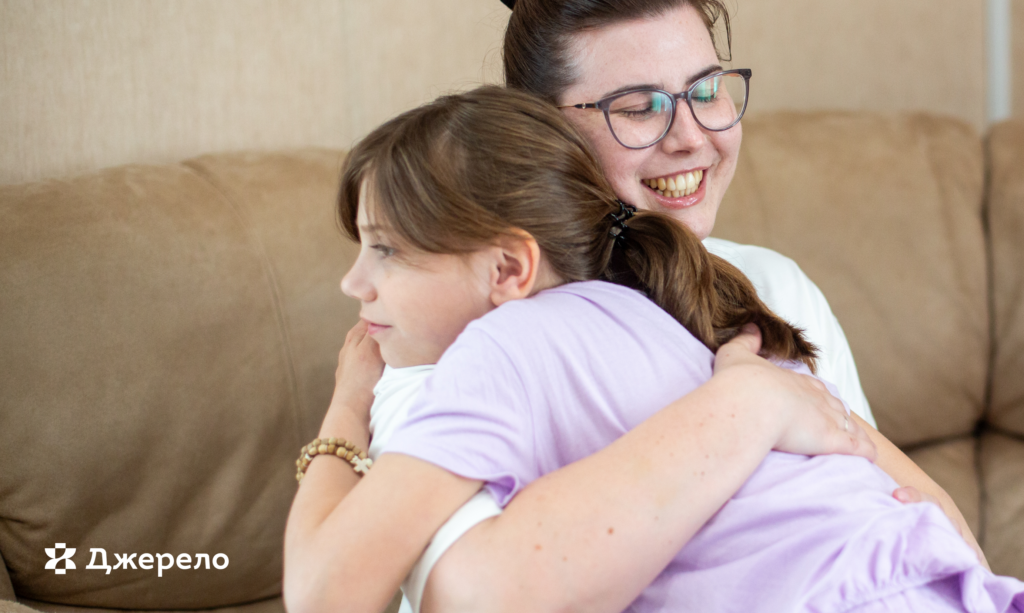
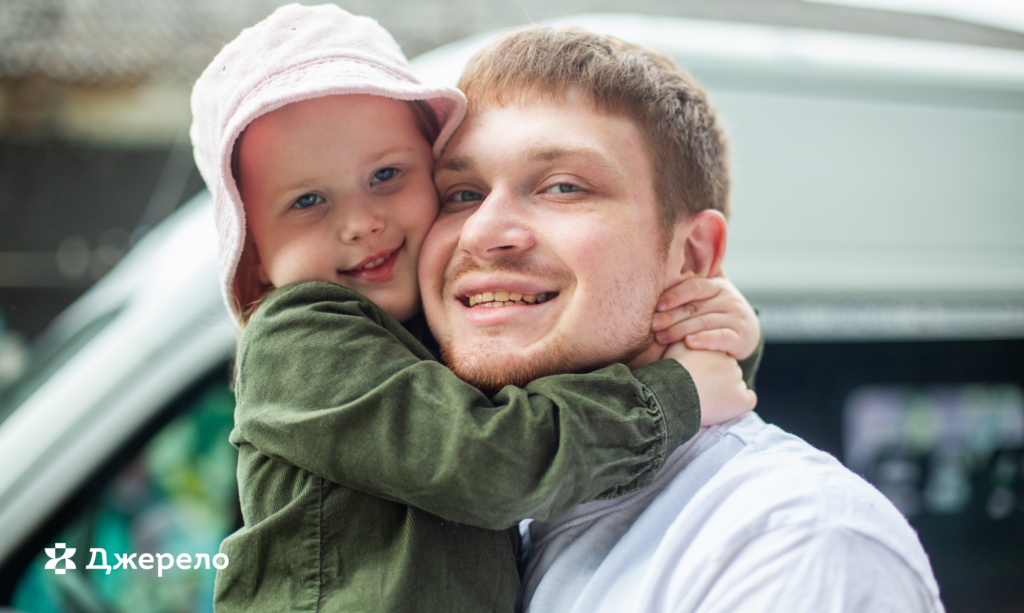
For Olena, motherhood involves profound inner work. While biological parenthood may feel more instinctive and familiar, foster motherhood requires growing into the realization: I am their mother.
A mother, she says, is usually the first to notice exhaustion in a child’s eyes, a change in mood, or the first signs of a cold. She makes sure there are clean clothes, a warm dinner, and a sense of safety for everyone in the household.
At the same time, motherhood is also a great responsibility in which gentleness and discipline are intertwined every day.
“Motherhood is a constant search for balance between love and the inner manager who must teach children hygiene, responsibility, and life skills,” Olena says.
What inspires her most is seeing the children grow into kind people – free from bitterness, able to build friendships, support one another, and celebrate each other’s successes.
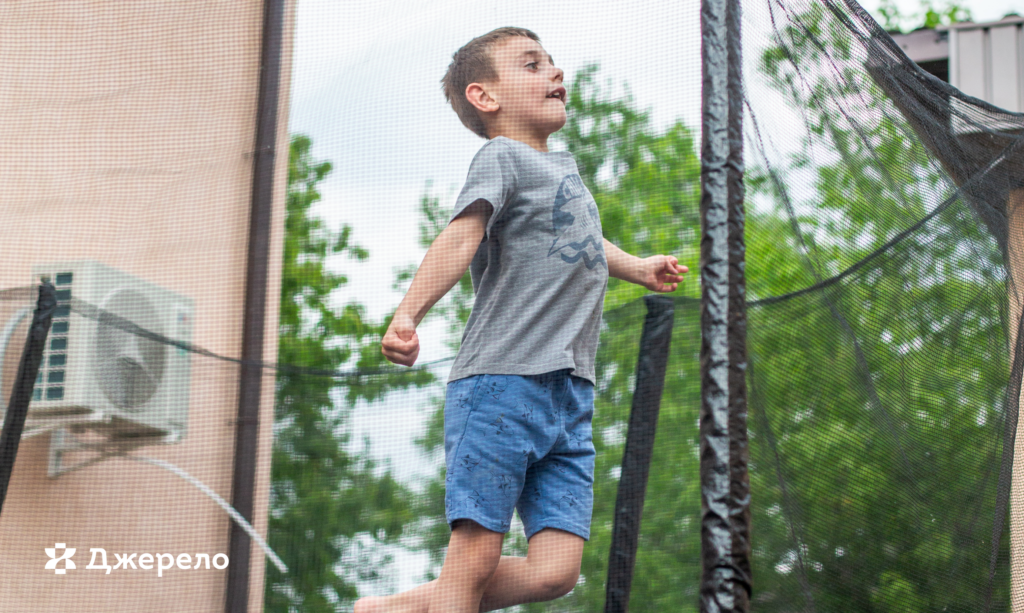
The happiest moments, however, remain the simplest ones: children’s laughter, family dinners, or a summer day when the entire family jumps into the backyard pool and the yard fills with joyful noise and carefree happiness.
“Raising a Child Is a Collective Effort”
The family does not face the challenges of raising ten children alone.
“The Child Protection Service and the social workers from the Dzherelo Centre are our friends, especially during difficult moments. Whenever we reach out, they help us,” Olena says.
Extended family also plays an important role. Olena’s and Andrii’s parents regularly visit, spend time with the children, and occasionally give the couple an opportunity to be alone.
“They can stay with the children and let Andrii and me go out for coffee or on a date. These moments are very rare now,” Olena shares.
“I believe that a child is the result of collective effort in upbringing. All of us influence children – the family, the school, and the people around them.”
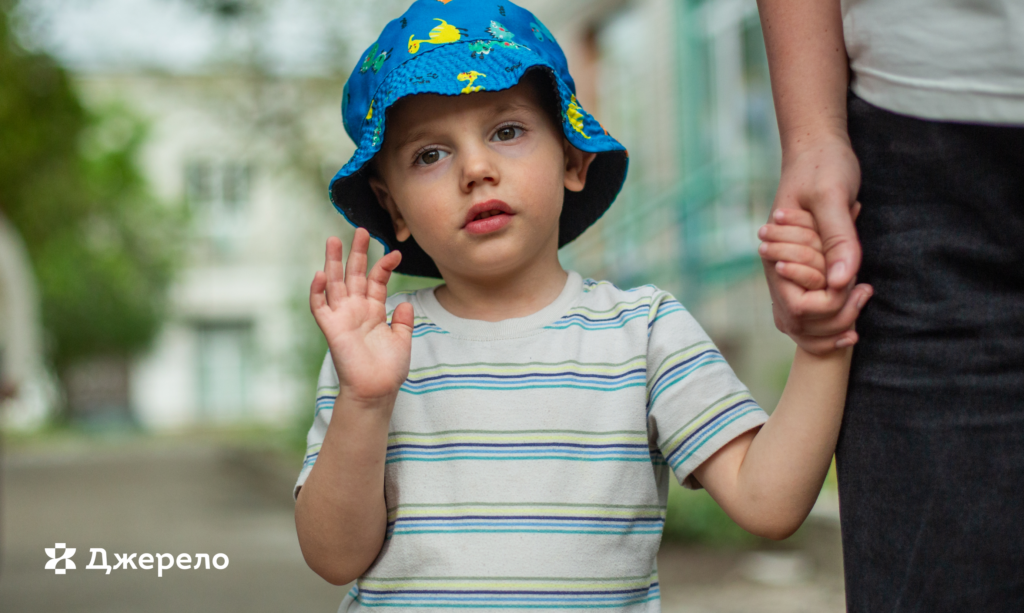
“We Dream of Seeing the Sea Together”
Today, the family’s greatest dream is a peaceful Ukraine where their children can grow up without war or fear. Olena says they have never imagined living abroad and want to build their future at home.
Every day, they pray together for Ukraine’s defenders and give thanks for the opportunity to live in their own country.
Alongside their shared dream of peace and victory, the family has another dream: seeing the sea together for the first time.
At the moment, this seems almost unattainable because four of the children have health conditions that make traveling far from Lviv difficult. Nevertheless, Olena remains hopeful. She follows developments in medicine and believes that one day their dream will come true.
“This is our family’s shared dream – to go to the sea together,” she says.
Most of all, she wants to witness the moment when children who love water and swimming see real ocean waves for the very first time.
“I Want the Children Always to Remember That They Have a Home to Return To”
Like millions of Ukrainian mothers, Olena’s greatest fears are connected to the war.
She admits that even an ordinary lunch at home is overshadowed by worry whenever an air-raid siren sounds while the children are at school or kindergarten shelters. Constant messages, phone calls, and readiness to rush out at any moment and bring the children home have become part of everyday life.
Yet alongside these fears lies another, much more personal one. Olena worries that she may not succeed in building relationships with her foster children that will endure into adulthood.
“My greatest concern is whether we will be able to build relationships with our foster children strong enough that, as adults, they will know they can always turn to us,” she says.
For her, true motherhood means creating trust that survives years, adolescence, and growing up. More than anything, she wants her children always to know that they have a home where they are welcome and where they can return.
“We Plan to Live This Life”
The family’s immediate plans are simple: they are eagerly waiting for summer. They long for warmth, sunshine, and a little carefree joy. They are already planning a summer camp and dreaming of setting up the backyard pool once again.
Olena smiles: “There are no grand plans. We’re simply going to live this life.”
“Foster Parenting Gives a Deep Sense of Purpose”
Speaking to couples considering adoption or creating a family-type children’s home, Olena does not try to romanticize reality. She openly acknowledges that foster parenting brings both immense joy and profound exhaustion.
“Foster parenting will make you suffer, but it will also make you happy,” she recalls a friend once telling her – a statement she now understands deeply.
According to Olena, life became much more complicated after the children arrived because love came hand in hand with enormous responsibility. Yet it also became far richer, more meaningful, and filled with purpose.
She says that anyone who truly feels called to help orphaned children or children deprived of parental care should be prepared for a difficult journey. Despite all the hardships, however, it is a path that offers a profound sense of the value of what one does for others.
How Does the Dzherelo Centre Support Families?
During the first month after the family-type children’s home was established, social workers from the Dzherelo Centre visited the family every week. Today, they visit at least once a month while maintaining regular contact with both the parents and the children.
“We always stay in touch with the foster parents and the older children. I advise the parents, help them find information in response to their questions, and tell them about the services provided by the Dzherelo Centre. I also inform them about projects run by civic and charitable organizations that may strengthen and support the family,” says Olha Shudliuk, a social worker at the Dzherelo Centre.
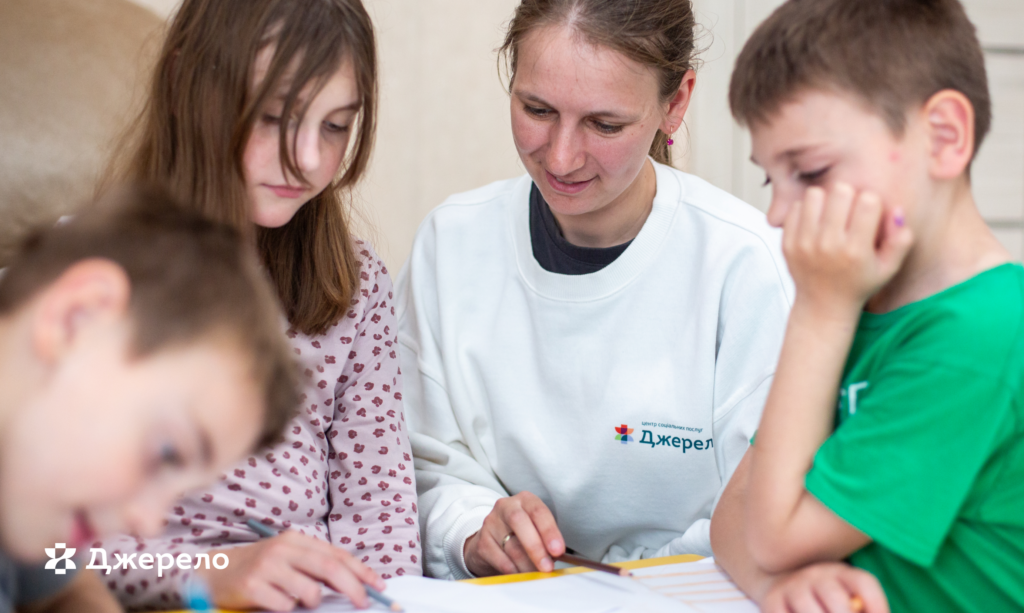
Specialists also involve parents in training programs and peer-support groups to help them develop parenting skills and strengthen family resilience. Particular attention is given to working with children individually and in groups to build trust and identify their needs.
Teenagers participate in thematic meetings covering safety, personal boundaries, emotional intelligence, and career guidance. In addition, the Centre organizes meaningful leisure activities, including theatre visits, trips to the lake, and other recreational events.
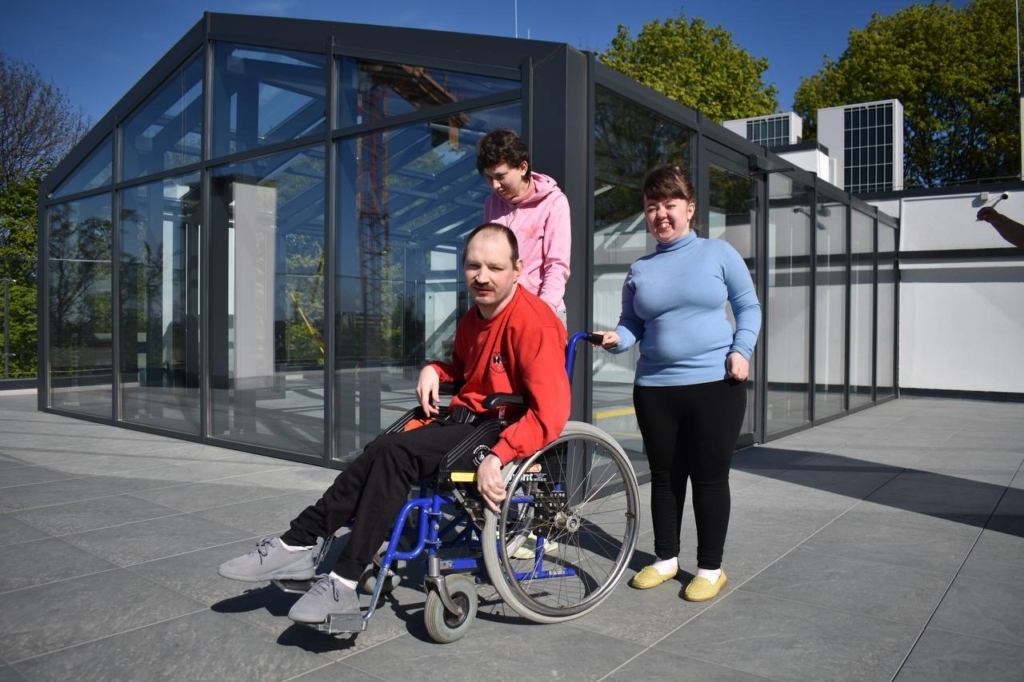
The Dzherelo Centre supports families who have opened their hearts to children who cannot live with their biological parents. These include foster families, family-type children’s homes, guardians, and caregivers – people who give children a second chance at a happy childhood.
The Centre’s specialists provide guidance on education, healthcare, and legal protection; assist with housing and everyday issues; support families in obtaining documents and benefits; offer psychological support; and help develop life and parenting skills.
How to Access These Services
The Dzherelo Centre works closely with local Child Protection Services. To learn more or to explore different forms of family-based care, contact the Child Protection Service department in your district or call the contact center at +380 97 400 22 88.
Photos by Marta Talan and from the family archive of foster mother Olena Vydiuk.