The development of social services in the community is always a search for solutions: how to make assistance accessible and the work of professionals high-quality and sustainable. With this goal, the team of the Dzherelo Centre is participating in the international CAPABLE project – “Competent Assistance pro Aging Better Living Easier”. The project is implemented with the support of Interreg Europe and co-financed by the European Union.
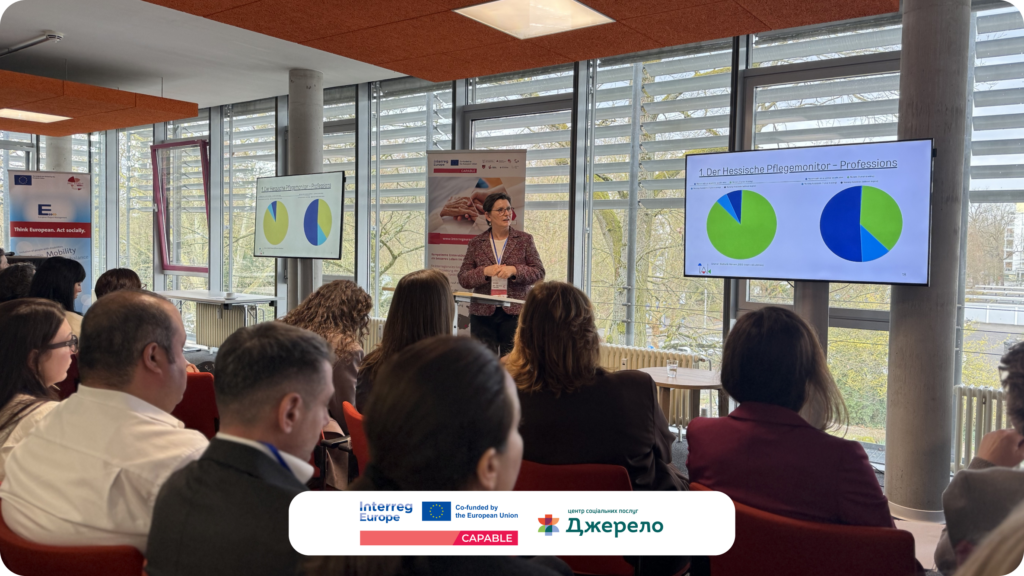
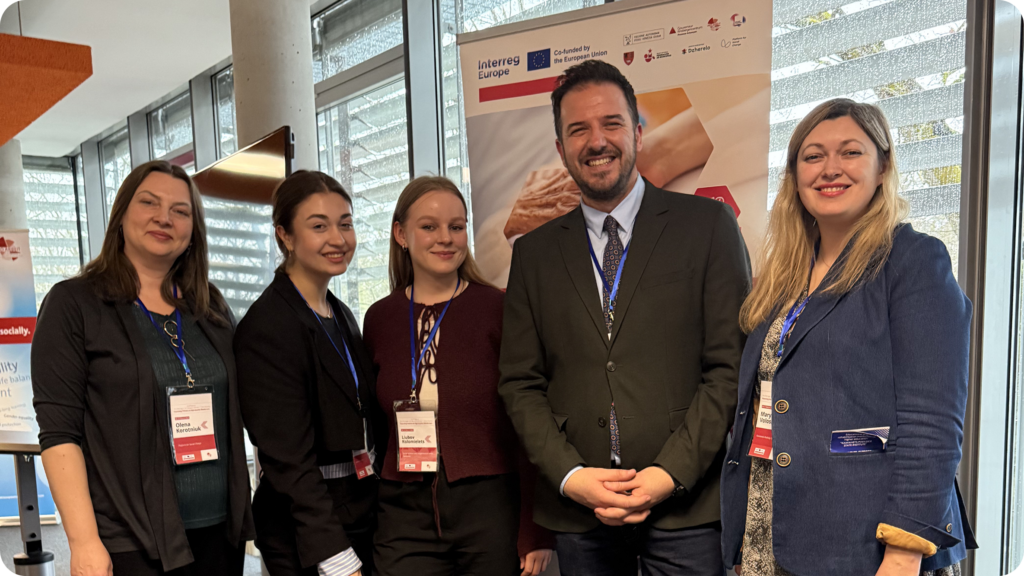
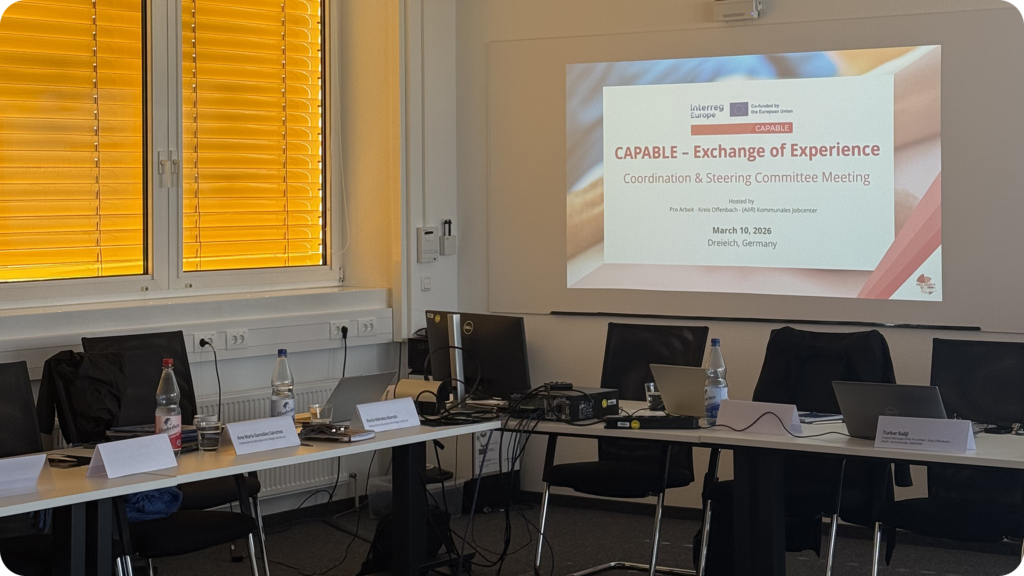
On March 10–12, specialists from our Centre – Liubov Kolomieiets and Veronika Shcherbata – visited the German region of Offenbach as part of the second exchange of experience meeting. The main topic was the training and qualification of staff in the field of elderly care.
The programme in Germany focused on practical aspects that are currently shared challenges across Europe:
How can the shortage of personnel be addressed?
Together with experts from the IWAK Institute and representatives of German ministries, we analysed legal and social barriers that hinder entry into the profession. These include excessive bureaucracy, lengthy adaptation and credential recognition processes for immigrants, as well as the inability to combine documentation procedures or qualification recognition with employment.
What can we learn from partners?
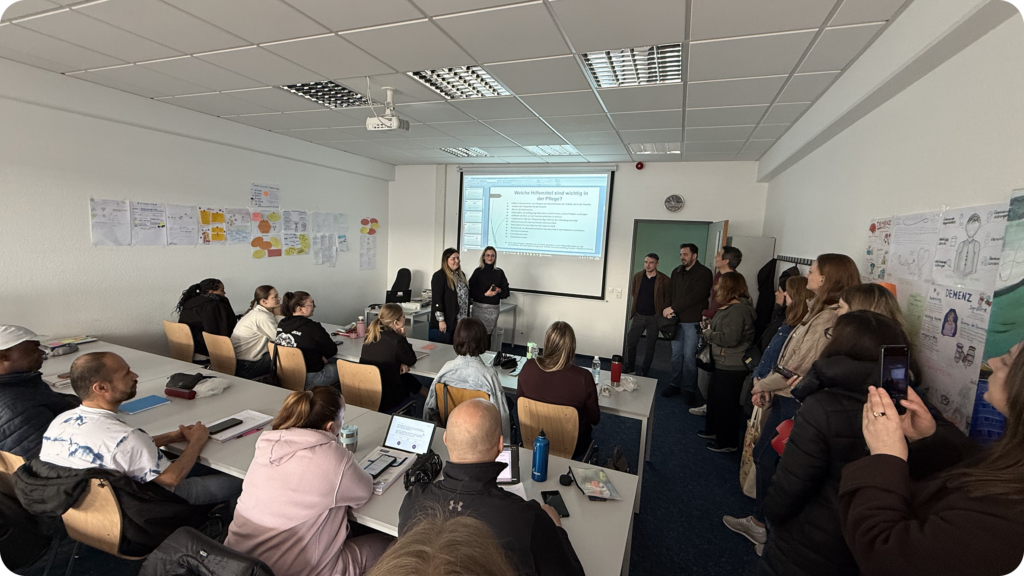
Colleagues from Italy, Belgium, Poland, and Spain presented their approaches to staff training. This allowed us to observe different models – from state programmes to private initiatives.
In particular, several-month training programmes were discussed that prepare professionals and provide a basic level of competencies. In some countries, such programmes also include language training and driving licence acquisition. They are highly practice-oriented: participants attend classes on certain days and work on others. Importantly, participants receive a salary throughout the training period.
How does it work in practice?
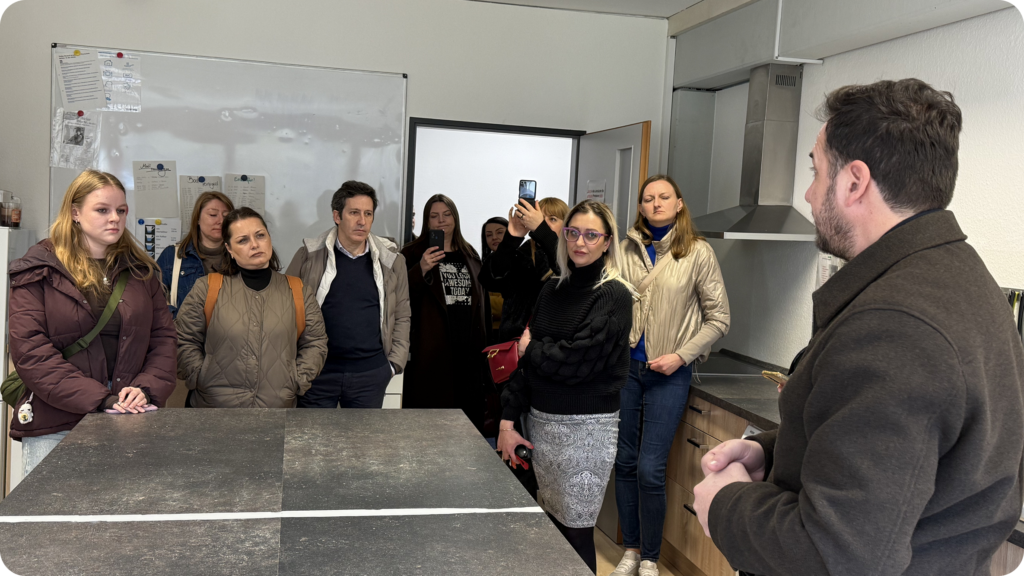
During study visits, we became familiar with different organisational formats:
- USS GmbH Offenbach – an institution that trains future professionals;
- Johanniter-Unfall-Hilfe e. V. – an organisation with a well-developed system of quality standards for humanitarian assistance and staff training in elderly care;
- Schön & Jansen Tagespflege – an example of effective organisation of day care services for older people.
Veronika Shcherbata, Communications Manager of the CAPABLE project, notes:
“Studying German experience is, above all, about identifying growth points. We saw how a systematic approach to staff training directly influences the quality of service delivery. For us, it is important to identify elements that can realistically be adapted in Ukraine in order to strengthen social workers and ensure dignified care for those who need it.”
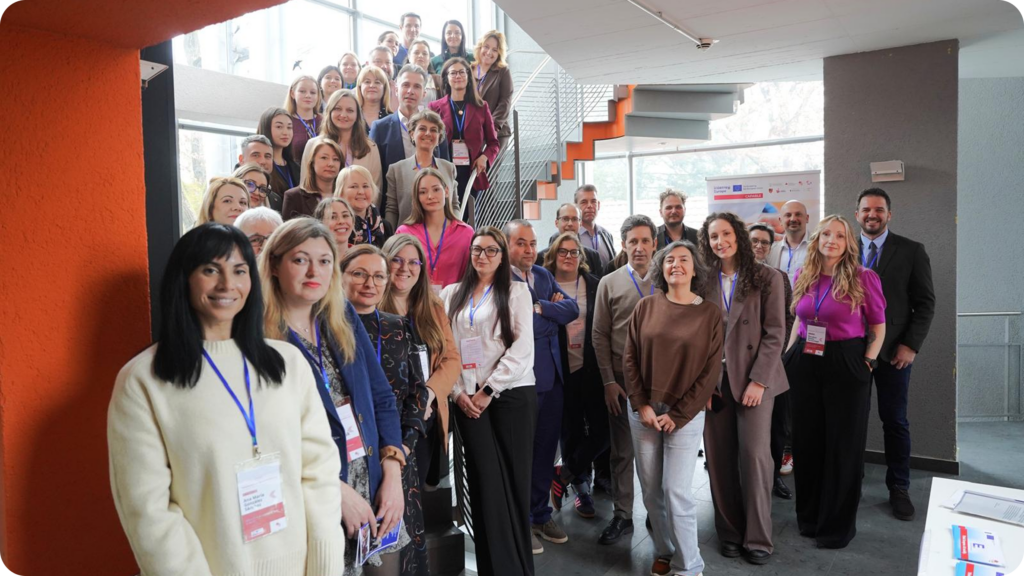
The CAPABLE project will run until July 2029. We continue to analyse the knowledge gained in order to gradually implement best practices and strengthen the social services system in Lviv. More information about the project is available here: https://www.interregeurope.eu/capable
This news item was prepared by the Dzherelo Centre within the CAPABLE project, supported by the Interreg Europe programme and co-financed by the European Union.