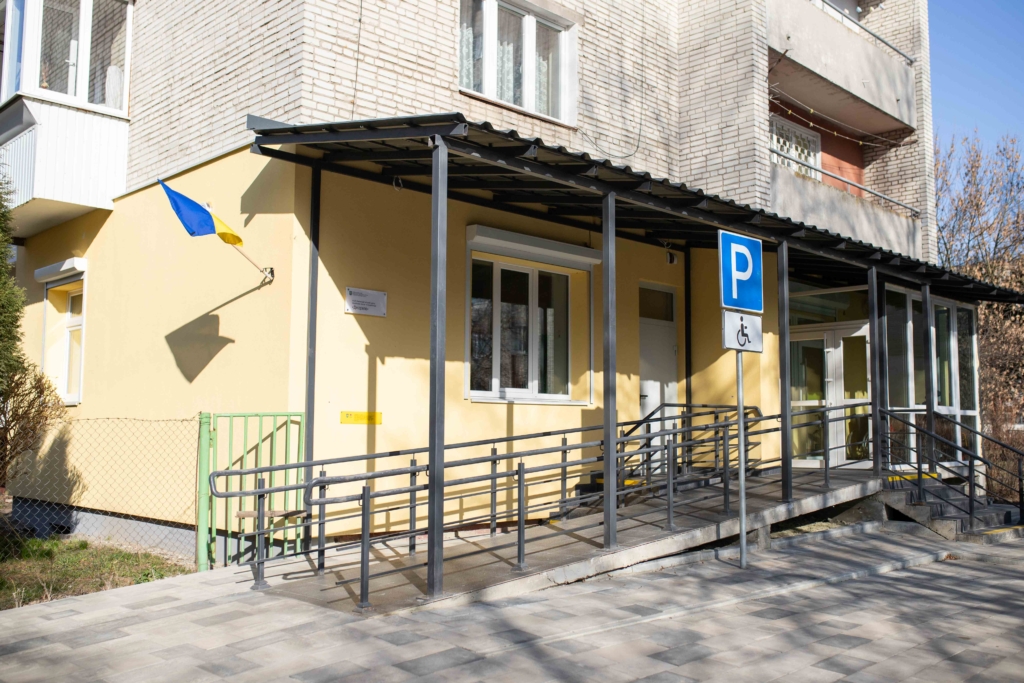
For many years, the Early Intervention service at the Centre for Social Services “Dzherelo” has been providing vital support to families with young children. Recognizing that the capacity of a single team was insufficient to meet the needs of the entire Lviv community, the administration of Dzherelo Centre continuously sought opportunities for expansion. As a result, an additional team is now operating at 4 Hrinchenka Street in Lviv. This expansion was made possible through the attraction of extra-budgetary funds. Thanks to this initiative, approximately 60 more families within the Lviv territorial community now receive professional support starting from the first years of a child’s life.
Parents of young Lviv residents reach out to specialists if they have concerns about their child’s development or are aware of existing disorders or risks. The service is available from birth to four years of age – a critical period when timely support can significantly impact a child’s future development.
Who Is on the New Team?
The new Early Intervention team, located at the Resilience Center on Hrinchenka Street, includes: a psychologist, a speech therapist, a physical therapist, a social work specialist, a doctor of physical and rehabilitation medicine.
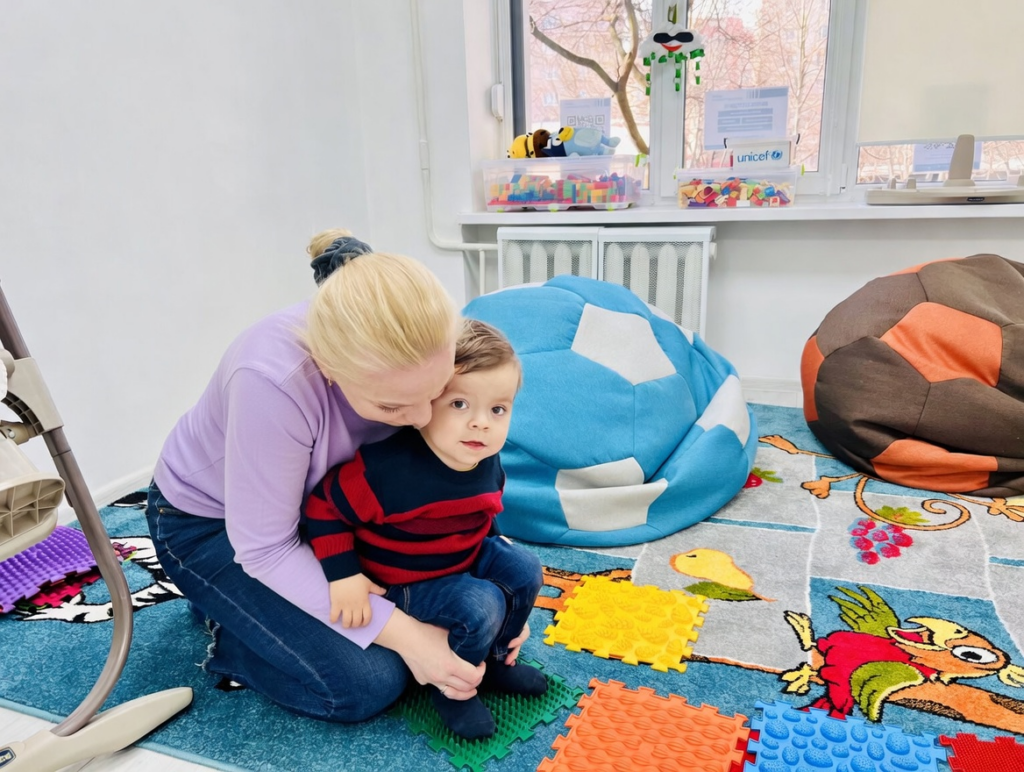
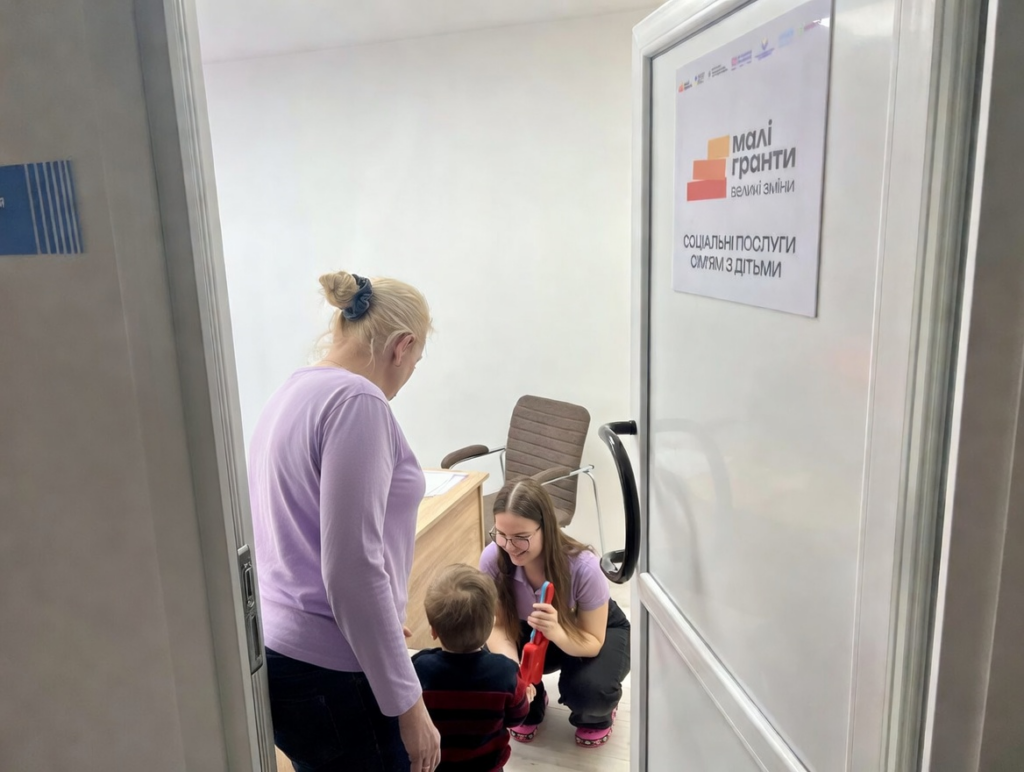
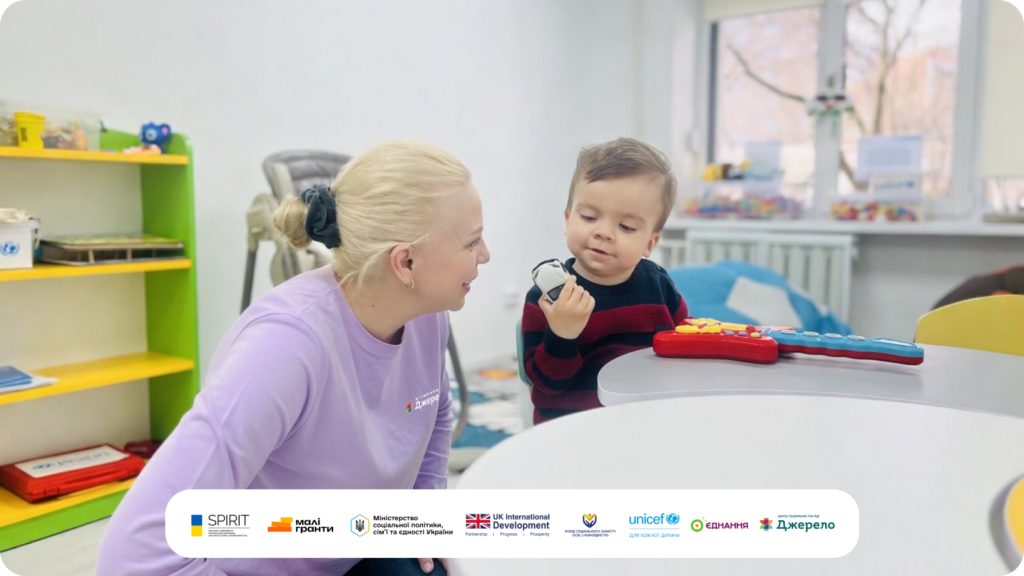
In collaboration with parents, these specialists help assess the child’s development and create a family early intervention plan. This plan includes goals tailored to the family’s needs and the child’s abilities, specifically focusing on daily life and routines (play, eating, hygiene, sleep, walks, etc.). Meetings with the family take place both at the Centre and in the child’s natural environment: at home, on the playground, or during daily activities.
“Our main goal is to provide parents with the knowledge and confidence they need to support their child’s development in everyday life,” explains Oksana Noha, Head of the Service.
What Is the Service Based On?
The Early Intervention service is built upon four key practices:
- Family-centeredness;
- Work in the natural environment;
- A team-based (transdisciplinary) model;
- Coordination of resources for the family.
The focus is not just on the child, but on the entire family. Specialists work with parents to develop solutions that the family can apply in their daily lives between meetings. While a team of various specialists works with the family, the primary guidance is provided by a key worker – a person who interacts with the family regularly. Other specialists are brought in as needed. Crucially, specialists do not only address the family’s needs and the child’s potential; they also help the family navigate available community services (medical, educational, social) and provide information when necessary.
Who Can Access the Service?
The service provides long-term support and is designed for children and families raising children with developmental disabilities, risks of such disabilities, or established disabilities.
There are two key criteria for receiving the Early Intervention service: the child’s age (birth to 4 years) and their registration within the Lviv community.
Specialists work with both the child and the parents, helping them better understand the toddler’s needs, support their development in daily life, and prepare the family for future stages, such as attending kindergarten or other socialization programs.
Sofia Shykur, Head of Early Intervention team at the Hrinchenka location, notes that one of the most significant results of the service is the change in parental confidence. Most often, parents seek help regarding communication, speech, play skills, and self-care.
“We provide informational support to parents to help them find practical answers to questions that will be useful in everyday life,” explains Svitlana Brovko, a doctor of physical and rehabilitation medicine.
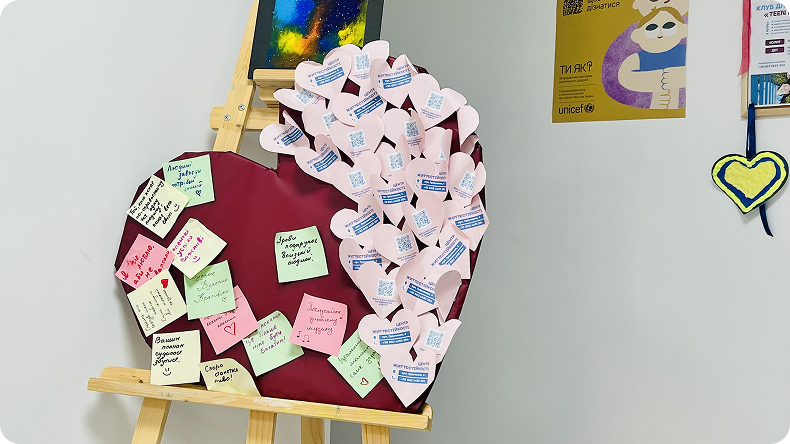
Signs That You Should Consult a Specialist
Experts specializing in early childhood recommend monitoring three main factors:
- The child is not reaching key developmental milestones according to their age (months/years);
- Regression occurs: the child loses previously acquired skills;
- The child’s development or behavior seriously concerns the parents.
For more details, read: “Red Flags” in Child Development: When to Seek Help?
You can also download the “Miy Maliuk” (My Toddler) app here:
The Value of Natural Environment Visits
Home visits are a hallmark of the Early Intervention service. They help specialists better understand the child and support the family in their real-life setting. Primarily, the child remains in a familiar, safe, and motivating environment. This allows specialists to observe real everyday situations and provide parents with practical solutions in real-time.
Working with parents, specialists can help:
- Organize the living space to better suit the child’s abilities;
- Support communication;
- Develop play skills;
- Build self-care skills.
Bohdanchyk’s Mom’s Story
Among the families already using the Early Intervention service on Hrinchenka Street is Lviv resident Kateryna and her son Bohdan. She learned about the service from a pediatrician and decided to reach out based on the doctor’s recommendation.
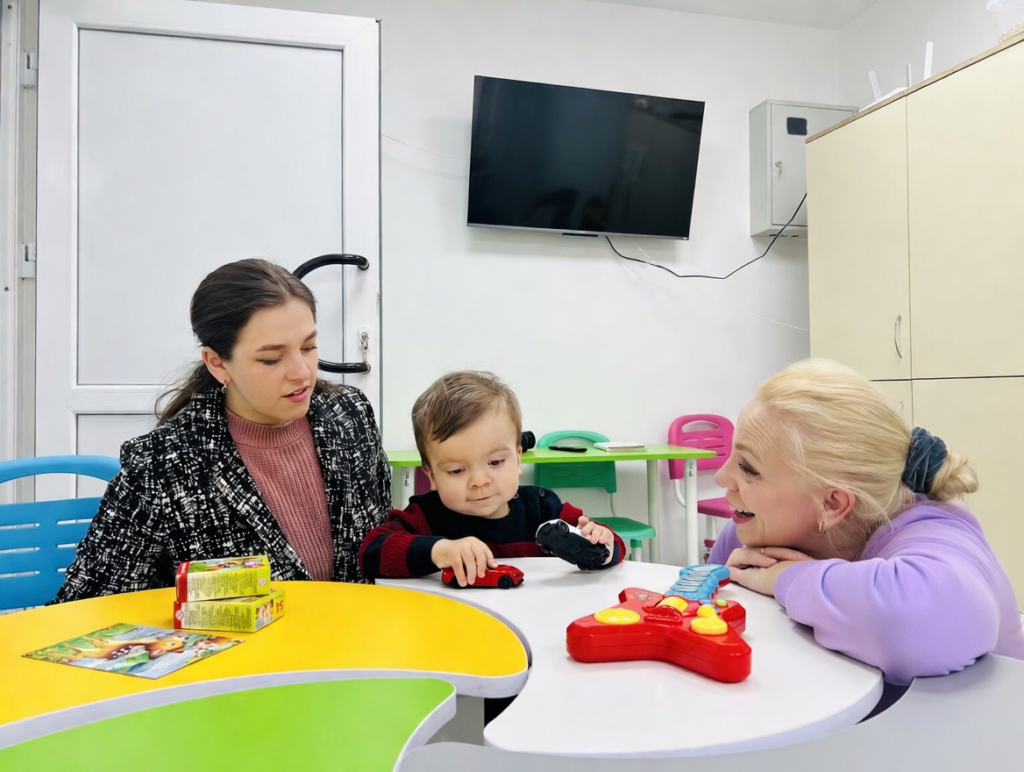
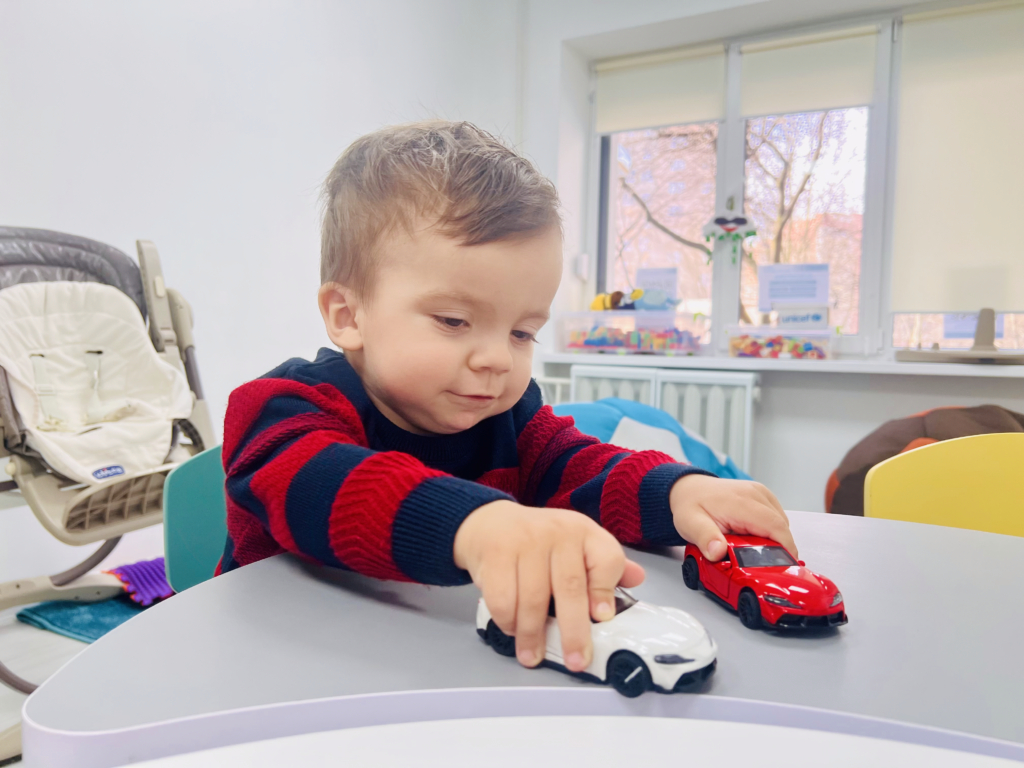
“The most valuable thing for me is the support of the specialists. As a mother, it is very difficult to understand on my own exactly what is most important for the child’s development right now. The specialists suggest where to start and what steps to take next,” says Bohdanchyk’s mother.
How to Sign Up
To sign up for the service, simply contact Dzherelo Centre by calling 097 400 22 88, or visit the Resilience Center on Hrinchenka Street in person.
The new Early Intervention team operates as part of a UK government project within the SPIRIT program, in cooperation with the Ministry of Social Policy of Ukraine, the Fund for Social Protection of Persons with Disabilities, and UNICEF, administered by ISAR Ednannia.